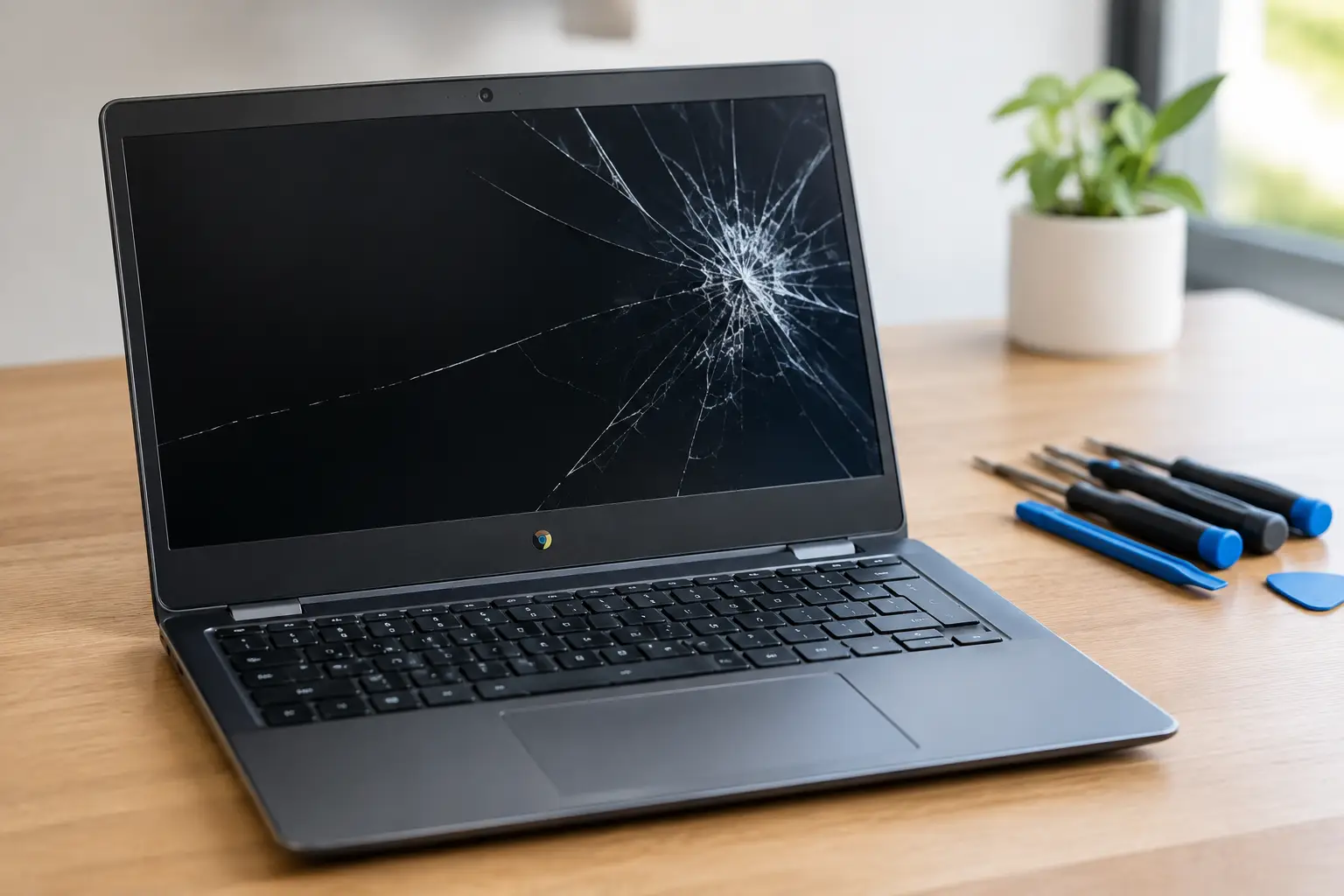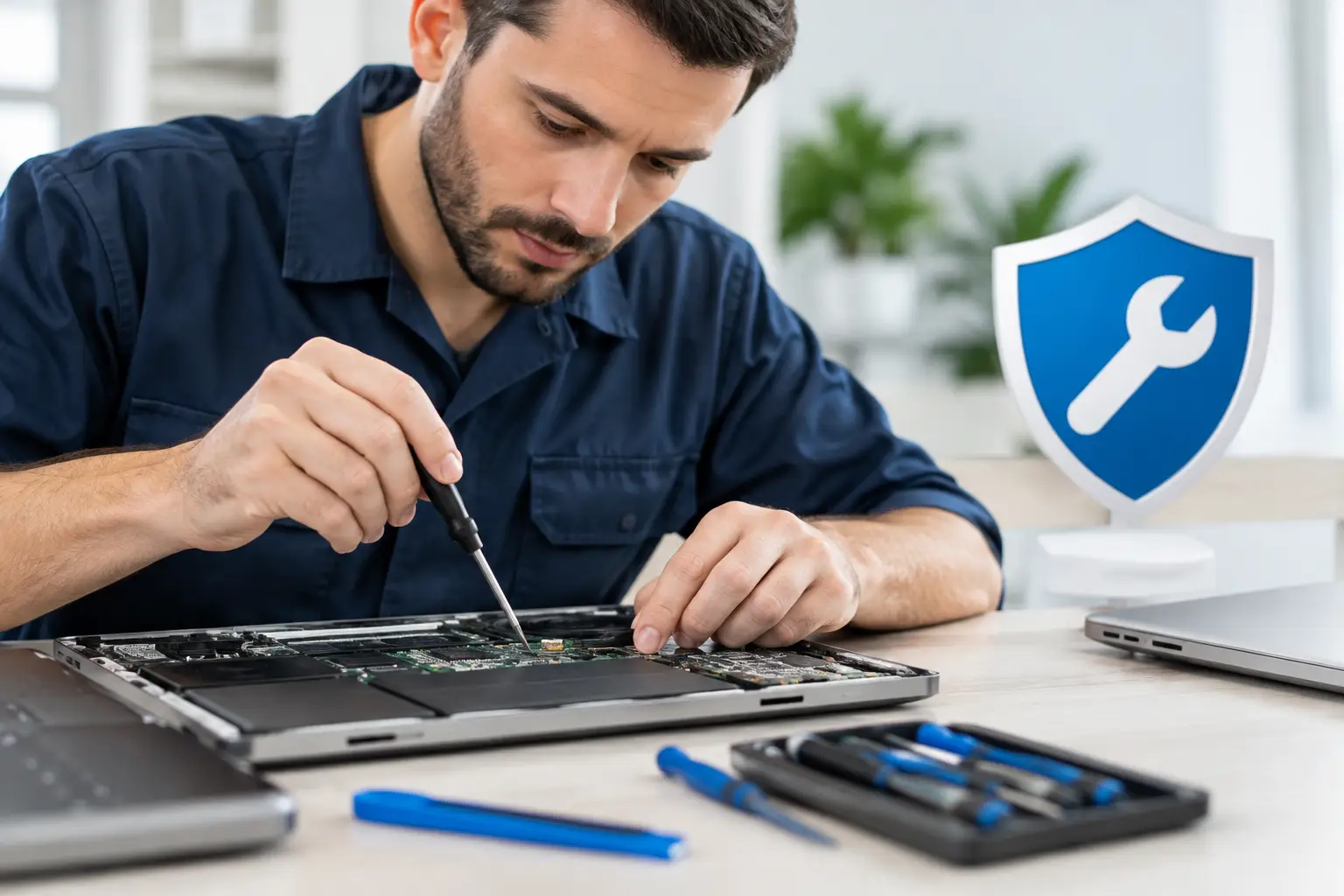


A cracked iPhone screen is obvious. A weak battery is obvious. What is harder to see is whether the repair shop will use the right part, protect your data, honor its quote, and stand behind the work next week. That is where iPhone repair reviews matter. The best reviews do more than say “great service.” They show you what actually happened when a customer needed their phone back.
For people in Laval, Montreal, and Vaudreuil-Dorion, a repair decision is usually urgent. Your phone holds work messages, school logins, banking apps, family photos, transit passes, and two-factor authentication. You need a shop that can diagnose the issue accurately, explain the options plainly, and get you moving again without a surprise bill.
What iPhone Repair Reviews Should Tell You
A high star rating is a useful starting point, not the whole answer. Read the written feedback and look for patterns across recent reviews. One customer may care most about a fast screen replacement. Another may have a charging issue, liquid damage, or an iPhone that will not turn on at all. Together, those experiences reveal how a shop performs when the job is simple and when it is not.
The most helpful reviews mention specific outcomes. Look for details such as the model repaired, the problem diagnosed, the turnaround time, the price matching the quote, and how the phone worked after pickup. A review saying an iPhone 13 battery was replaced the same day and now holds a charge says much more than a vague five-star rating.
Pay attention to how customers describe communication. Good repair shops do not promise a repair before diagnosing a device. They explain what they found, what the repair will cost, and what could affect the final decision. If a phone has liquid damage or board damage, the technician may need more time than a standard screen repair. That is not a red flag by itself. Silence, shifting prices, and unexplained delays are.
Read Recent Reviews Before Old Favorites
A shop can build a great reputation and still change staff, processes, or suppliers. Sort by newest when possible. Recent feedback gives you a better view of current turnaround times, customer service, and repair consistency.
Also look at the shop’s response to criticism. No local business gets every repair experience perfectly right. What matters is whether a problem is acknowledged and handled professionally. A defensive reply that blames the customer is different from a clear response that explains the situation and offers a path forward.
Know Which Repair You Are Actually Reviewing
Not every iPhone repair carries the same risk or requires the same skill. A screen replacement, battery replacement, charging-port repair, camera repair, and motherboard repair should not all be judged by identical review language.
For a screen repair, customers should mention display quality, touch response, Face ID function, frame condition, and whether the repair was completed when promised. For a battery replacement, look for comments about battery life, charging behavior, and whether the shop explained any battery or system messages that may appear depending on the iPhone model and part type.
Charging problems deserve closer attention. Lint in the port, a worn charging cable, a damaged port, a failing battery, or board-level damage can all create similar symptoms. Reviews that praise a shop for diagnosing the real cause instead of immediately selling a part are worth more than reviews focused only on speed.
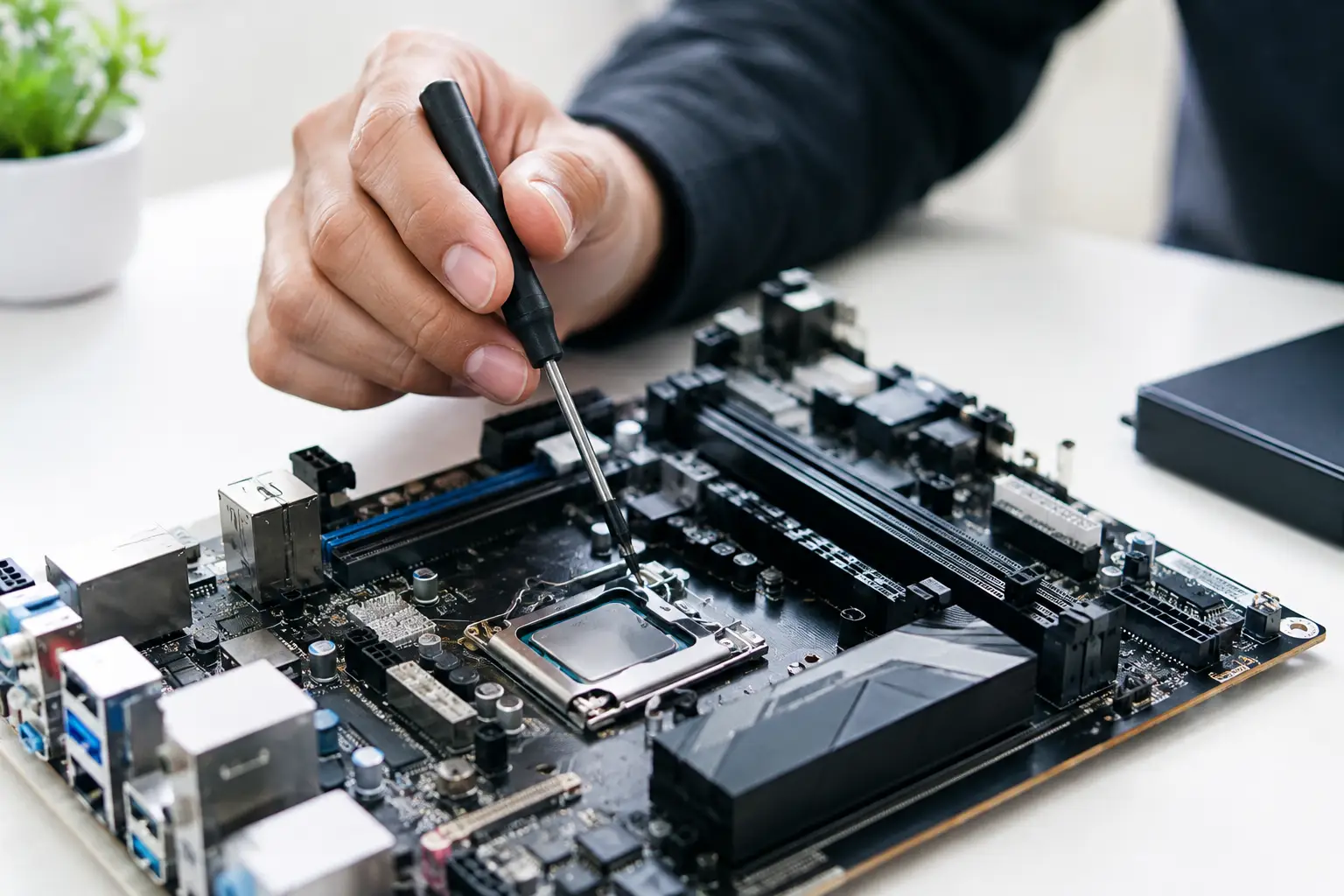
The same goes for phones with no power, liquid exposure, repeated restarting, missing touch response, or network issues after a drop. These can involve the iPhone’s motherboard. A parts-swapping shop may recommend replacing the phone or the entire board. A technician with micro-soldering capability can sometimes repair the damaged component on the board instead. It depends on the fault, corrosion, prior repair attempts, and the device’s overall condition, but real diagnostic ability can save a phone that looks beyond repair.
Watch for Proof of Clear Pricing
Reviews often expose hidden-fee practices faster than a price list does. Search for words such as “quote,” “price,” “extra,” “diagnostic,” “upfront,” and “surprise.” You want to see customers saying the final bill matched what was explained before work began.
The lowest advertised price is not always the best deal. A repair can cost less because of a lower-grade part, incomplete testing, no warranty, or a quote designed to rise after the phone is already on the counter. On the other hand, the highest price does not automatically mean the best parts or best workmanship. Ask what is included and compare like for like.
A trustworthy shop should be comfortable explaining the difference between repair options when options exist. For example, the right screen choice may depend on whether you prioritize budget, display quality, warranty coverage, or keeping a newer iPhone in top condition. Straight answers beat vague promises about “premium” parts.
Warranty Reviews Matter After Pickup
Your iPhone may look perfect when you leave the store. The real test is what happens if touch sensitivity changes, the screen lifts, the replacement battery behaves unexpectedly, or the original issue returns. Read reviews for signs that the shop helps customers after the transaction, not only before it.
Warranty terms should be clear before the repair begins. Ask what the warranty covers, how long it lasts, and what is excluded. Physical damage after pickup, liquid damage, and unrelated faults are commonly excluded for good reason. But workmanship and the installed part should not be a mystery.
BuyCellFix offers a 30-day repair warranty, free diagnostics, and upfront quotes because a repair should not feel like a gamble. Those policies matter most when they are backed by technicians who test the device properly before returning it to you.
Ask About Data and Device Testing
A screen or battery repair normally should not require anyone to browse through your photos, messages, or apps. Still, backing up your iPhone before any repair is smart whenever the phone is functional enough to do it. Complex faults and liquid-damaged phones can worsen without warning.
Reviews may mention whether staff explained data risks, protected the customer’s privacy, and tested key functions after repair. A proper post-repair check can include charging, touch response, cameras, speakers, microphones, buttons, Wi-Fi, cellular service, Face ID where applicable, and basic battery behavior. The exact test depends on the repair, but “it turns on” is not a complete quality check.
If your phone cannot be unlocked or does not power on, ask how the shop handles diagnostics and what information it needs from you. You should never be pressured to share passwords unnecessarily. Clear procedures are a sign of a professional repair counter.
Separate Real Patterns From Review Noise
Online feedback is useful, but it is not a lab report. Some customers leave a review minutes after pickup, before they have used the repair for a few days. Others post only when they are frustrated, even if the problem was caused by pre-existing liquid damage or a bent frame that made a normal repair more difficult.
Read enough reviews to find repeated themes. Consistent comments about honest quotes, fast service, helpful staff, clean repairs, and warranties are meaningful. Repeated complaints about missed deadlines, poor communication, or a repair failing soon after service deserve attention too.
Be cautious with reviews that are all identical, overly promotional, or too vague to describe an actual visit. Specificity is harder to fake. A customer explaining that a technician found debris in a charging port, avoided an unnecessary replacement, and had the phone charging again the same day gives you useful information.
Questions to Ask Before You Hand Over Your iPhone
Reviews can narrow your choices, but a two-minute conversation should finish the job. Ask whether the diagnostic is free, whether the quoted price includes parts and labor, and how long the repair is expected to take. For complicated issues, ask what happens if the initial diagnosis changes after deeper testing.
You should also ask about the warranty, the type of replacement part being used, and whether features such as Face ID, True Tone, charging, and cameras will be tested before pickup. If the phone has water damage or will not power on, ask whether the shop performs board-level repair or only replaces major assemblies.
A good shop will answer directly. There may be limits, especially on a heavily damaged device, but you should understand those limits before approving work.
The right repair review does not promise that every phone can be saved. It shows that when the answer is repair, replacement, or data-risk assessment, the shop explains it honestly. Choose the place that gives you a clear diagnosis, a clear price, and a working phone you can trust when you walk out.