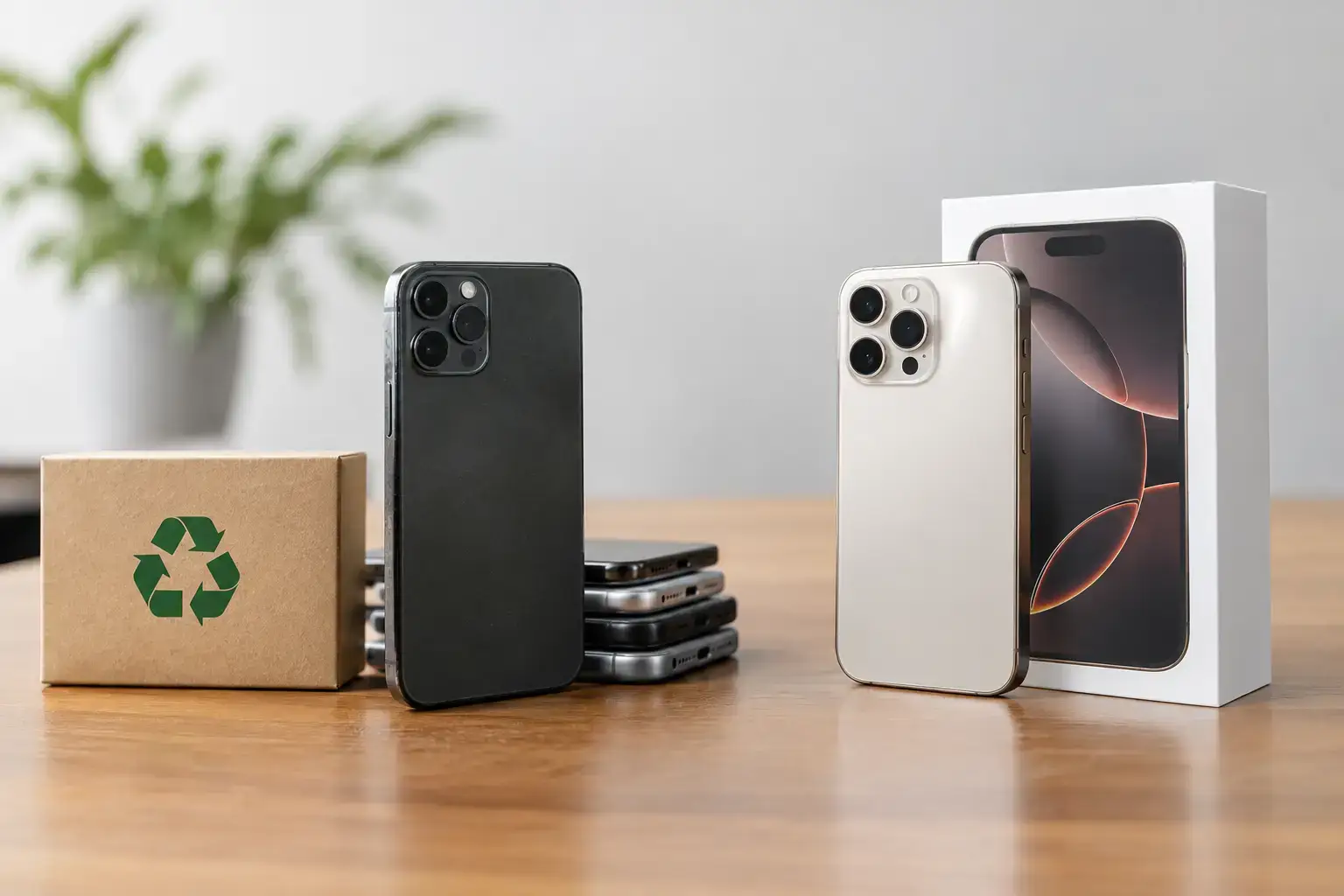

A $1,000 phone can feel like a bad deal the moment it slips out of your hand. That is why the choice between refurbished phones versus new is not just about getting the latest box, cable, and launch-day features. It is about paying for the performance you need, avoiding a device with hidden problems, and knowing who will help if something goes wrong.
A properly refurbished phone can save you serious money without forcing you into an outdated device. A poorly refurbished phone from an unknown online seller can do the opposite. The difference comes down to the device’s condition, the quality of the inspection, battery health, warranty coverage, and whether the seller stands behind the sale.
Refurbished Phones Versus New: Start With the Real Cost
New phones are simple to understand. You get an unused device, a full manufacturer warranty, and the newest available hardware. You also pay the highest price, and that price often includes features you may not use every day.
Refurbished phones are previously owned devices that have been inspected, tested, cleaned, and prepared for resale. Depending on the seller and the phone’s condition, repairs may include a new screen, battery, charging port, camera, or housing. A good refurbished device should be fully functional, cleared of the previous owner’s data, and checked to confirm it is not blacklisted or still tied to another account.
The savings can be meaningful. Buying a one- or two-generation-old flagship model often gets you a premium camera, fast processor, quality display, and years of software support for much less than a current flagship. For students, families buying multiple phones, and anyone replacing a broken device unexpectedly, that price gap matters.
But lower price should not be the only reason to buy refurbished. A bargain is not a bargain if the phone has weak battery life, a poor-quality replacement screen, water damage, or an activation lock that appears after you leave.
What “Refurbished” Should Actually Mean
The word refurbished is used loosely. Some sellers use it for a phone that was wiped down and turned back on. Others perform real testing and repair work before putting it back on the shelf. Those are not the same product.
A technician-tested refurbished phone should go through more than a quick power-on check. It should be inspected for screen response, cameras, speakers, microphones, buttons, charging, Wi-Fi, Bluetooth, cellular connection, Face ID or fingerprint functions where applicable, and signs of liquid damage. The device should also be checked for its IMEI status so you do not end up with a phone reported lost, stolen, or blocked by a carrier.
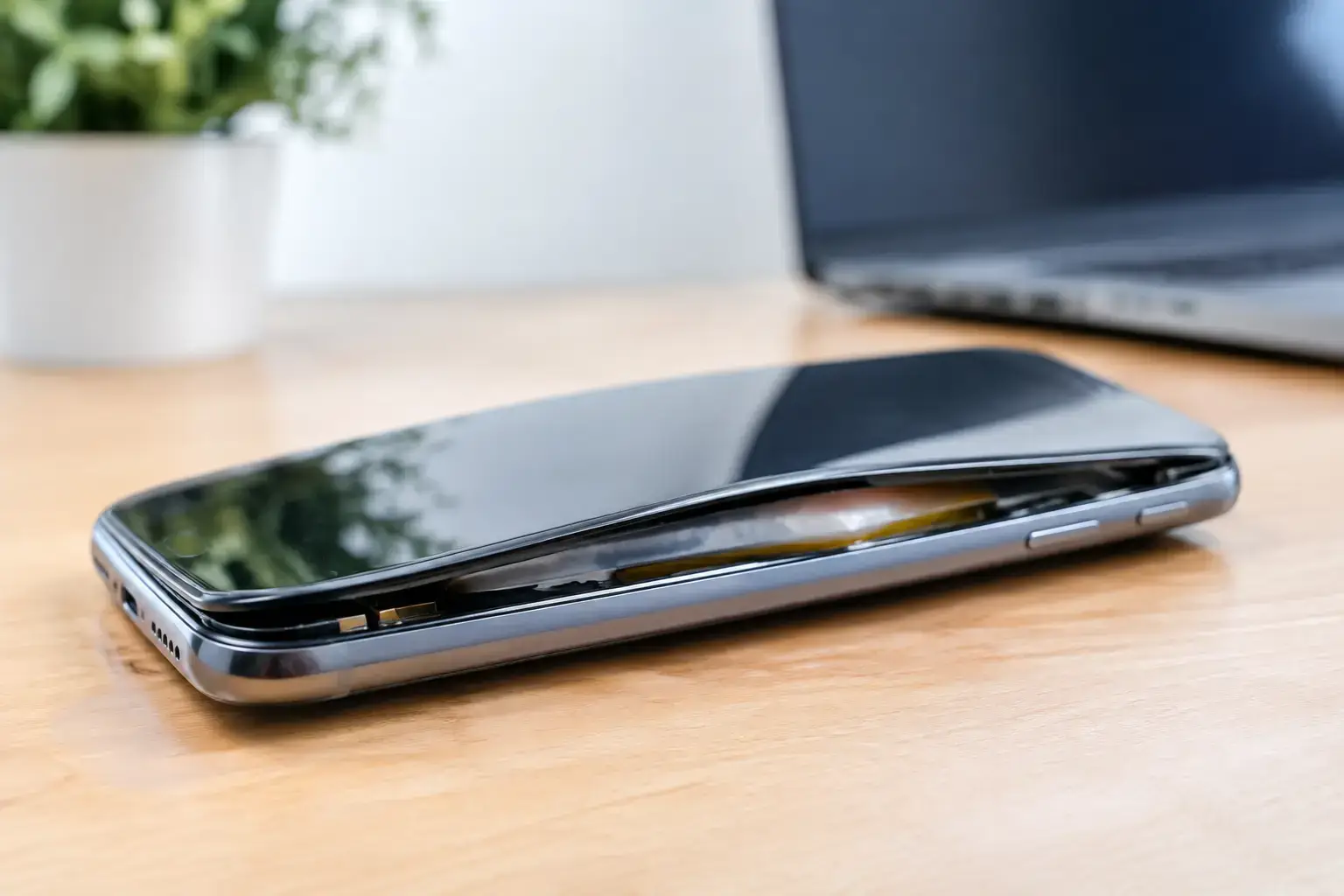
Battery health deserves special attention. Every lithium-ion battery wears down over time. A phone can look almost new and still struggle to make it through a workday if its battery has been heavily used. Ask for the battery health percentage when it is available, or ask whether the battery was tested and whether replacement is an option.
There is also a difference between cosmetic condition and function. Light scratches on a frame may be fine if you use a case. A cheap replacement display that is dim, unresponsive, or poorly fitted is not. The right seller explains the condition clearly instead of calling every device “like new.”
When a New Phone Makes More Sense
A new phone is usually the better call when you need the newest features for work, content creation, or a specific app that demands current hardware. If you rely on the best camera system, maximum storage, advanced AI features, satellite safety tools, or the longest possible software support window, buying new can be worth the premium.
It also makes sense if you want zero uncertainty around battery age, repair history, or cosmetic wear. For some buyers, especially people who keep one device for five years or more, starting with a brand-new model is the simplest long-term choice.
Manufacturer promotions can change the math as well. A strong trade-in offer, carrier credit, or financing deal may narrow the gap between new and refurbished. Read the terms carefully. Monthly bill credits can require a long carrier commitment, and a high trade-in value may disappear if your old device has damage.
New is not automatically better value, though. A new entry-level phone can cost more than a refurbished flagship while offering a weaker camera, slower performance, less storage, or a lower-quality display. Compare the specific models, not just the word “new.”
When Refurbished Is the Smarter Buy
Refurbished is often the practical choice when your current phone failed without warning and you need a reliable replacement now. It is also a strong option if you want a premium model without premium pricing, need a second phone for work or travel, or are buying a first phone for a child or teen.
A recent refurbished iPhone, Samsung Galaxy, or Google Pixel can still handle messaging, banking, school apps, video calls, navigation, social media, and everyday photos with no problem. For most people, those are the tasks that matter. You do not need the newest model to get through a busy day.
There is an environmental benefit, too, but keep it practical. Extending the life of a working device reduces unnecessary electronic waste and makes better use of the materials already inside it. That is a useful bonus, not a reason to overlook quality checks.
The best value usually sits one or two generations behind the newest release. Those devices have already taken their biggest price drop, yet they remain current enough to receive updates and run modern apps comfortably.
Warranty and Return Policy Matter More Than the Box
A warranty is where a reputable refurbished seller separates itself from a random marketplace listing. You want clear coverage, a clear timeframe, and a real place to bring the device if there is a problem. “Tested” means very little if there is no support after the payment goes through.
Ask what the warranty covers. Does it cover hardware defects? Is battery performance included? What happens if the phone develops a charging issue or a touchscreen problem shortly after purchase? Are accidental drops and water damage excluded? Most warranties will not cover accidental damage, but the terms should be straightforward.
A return or exchange window also helps. It gives you time to move your SIM or eSIM, sign into your accounts, test your usual apps, make calls, connect Bluetooth devices, and confirm that the phone fits your needs.
Buying locally adds accountability. At BuyCellFix, technician-tested devices are checked before sale, verified for blacklist status, and backed by warranty coverage of up to one year on eligible devices. If you have a question about condition or compatibility, you can ask a person who handles devices every day instead of trying to resolve a problem through an anonymous seller.
Check These Details Before You Pay
Before buying any refurbished phone, confirm that it is unlocked or compatible with your carrier. If you are moving from an older physical SIM to eSIM, make sure the model supports the setup your carrier uses. A phone that looks perfect but cannot activate on your plan is not a good purchase.
Check the exact storage capacity. A 64GB phone may be enough for light use, but it can fill up quickly with photos, games, downloaded videos, and work files. Storage is not always expandable, especially on iPhones, so buy enough from the start.
Ask about the display and parts history when possible. An aftermarket screen is not automatically bad, but quality varies. On some models, non-genuine parts can affect brightness, color, fingerprint sensors, or system notifications. A transparent seller should tell you what was replaced and why.
Finally, test the basics before leaving the store: screen touch, cameras, speakers, microphone, charging port, buttons, Wi-Fi, and cellular service. Sign in, make a call, and open the camera. A few minutes of testing can prevent a frustrating return trip.
Do Not Replace a Phone That Can Still Be Repaired
Sometimes the best choice is neither a refurbished phone nor a new one. If your current device has a cracked screen, failing battery, damaged charging port, or camera issue, repair may cost far less than replacement. This is especially true when the phone is otherwise fast, supported by software updates, and already set up exactly how you like it.
More complex failures deserve a real diagnosis before you write the device off. Board-level issues, charging failures, and liquid damage are often treated as automatic replacement cases. In some situations, component-level repair can save the phone and your data without replacing the entire board.
Do not let a cracked screen force a rushed purchase. Get the device checked, compare the repair quote with the cost of a tested replacement, and decide based on the phone you actually need. The right phone is the one that works reliably, fits your budget, and comes with support when you need it.