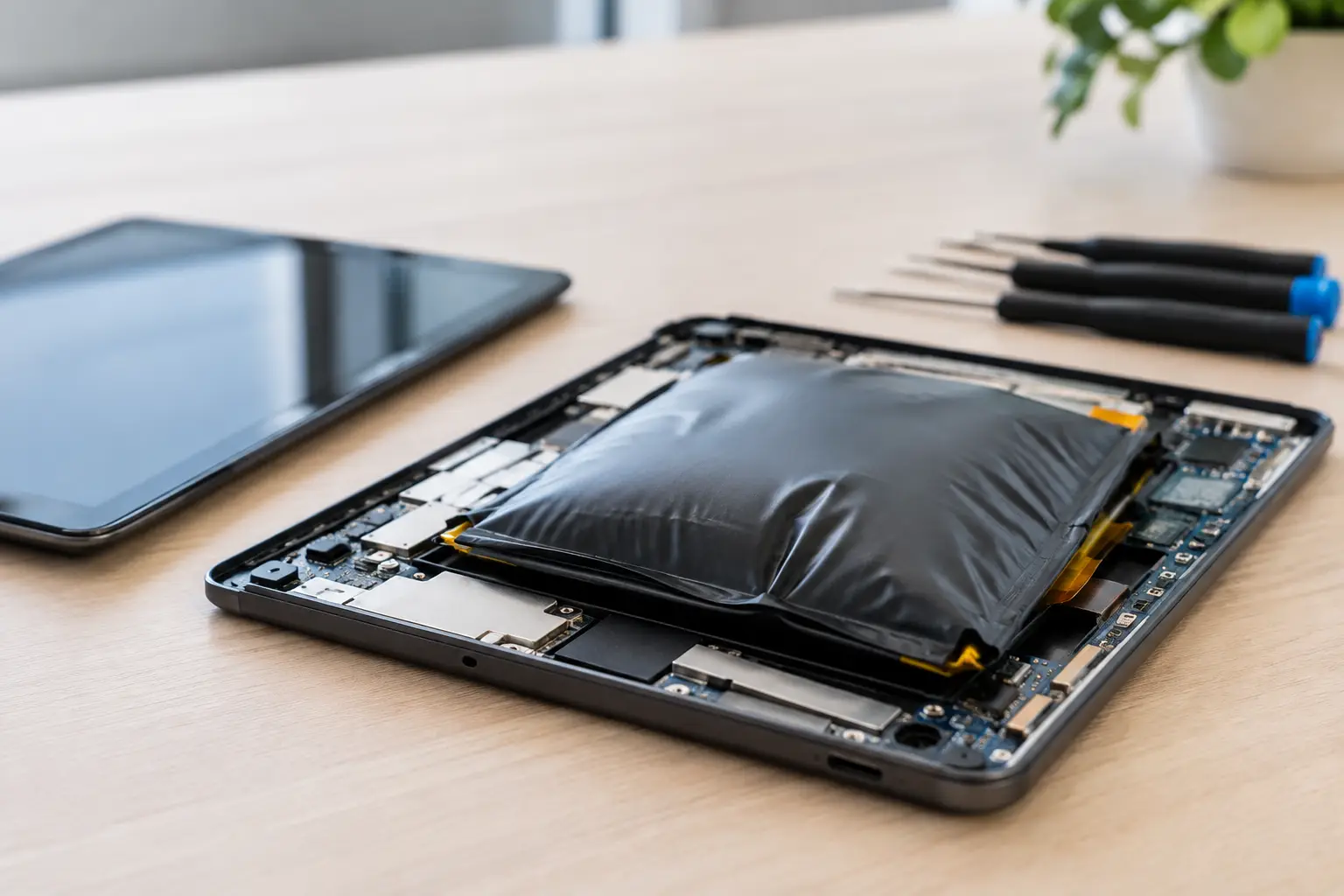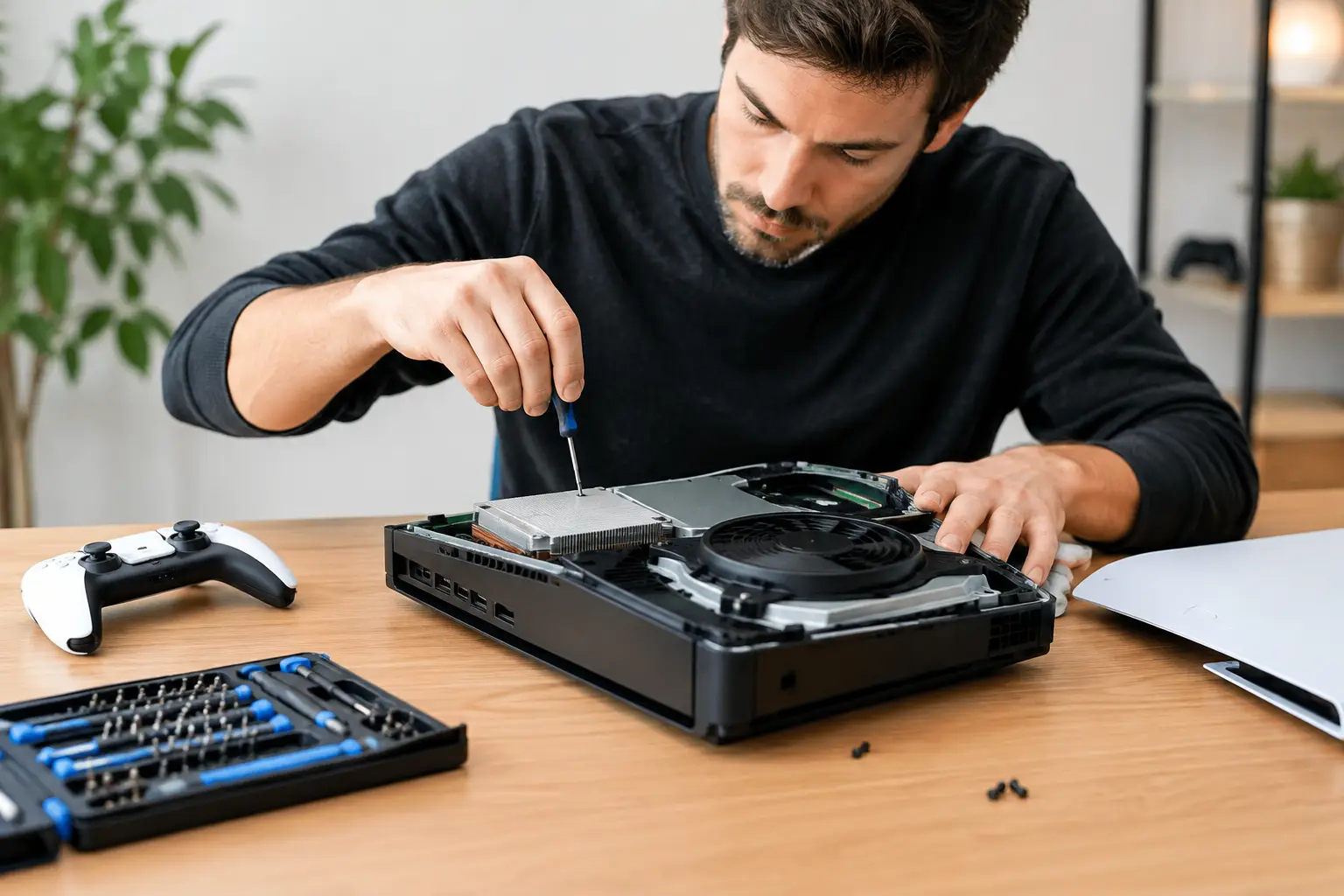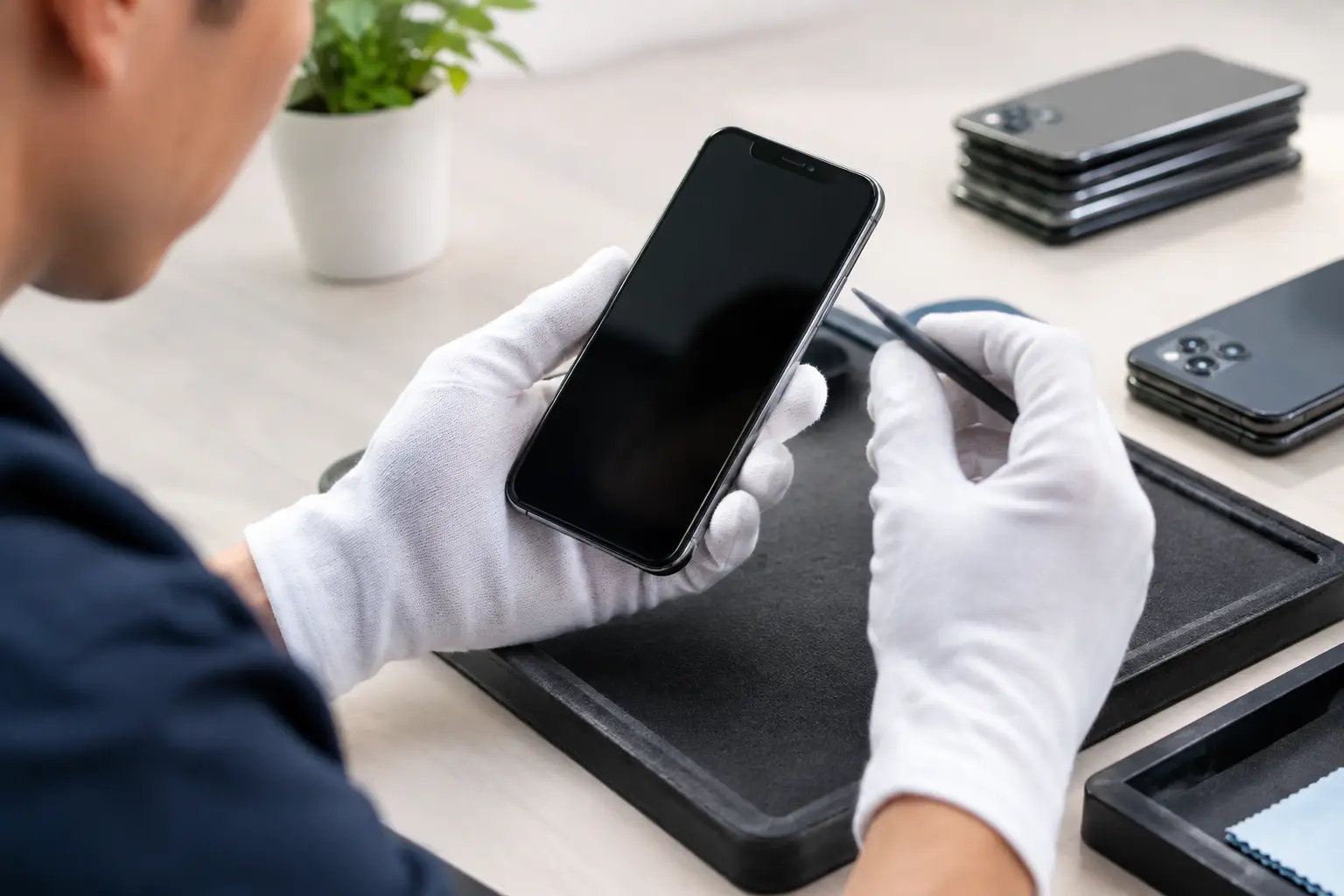


A cracked iPhone screen, a MacBook that will not charge, or a PS5 with no picture is not a debate topic when you need the device back. Still, choosing authorized versus independent repair affects more than the price on the quote. It can affect your manufacturer warranty, the parts used, how long you wait, and whether anyone actually finds the cause of the problem.
The right choice depends on the device, its warranty status, the failure, and the quality of the repair shop. An authorized center is not automatically the best answer, and an independent shop is not automatically the cheaper shortcut. Ask the right questions, get a clear diagnosis, and choose the option that gets your device working without creating a second problem.
What authorized repair usually means
Authorized repair providers meet a manufacturer’s requirements for training, tools, procedures, parts access, and service records. For eligible devices, they may use manufacturer-supplied parts and run official diagnostic software. This can matter when your device is under a manufacturer warranty, covered by a protection plan, or subject to a recall or service program.
For some repairs, authorization is a real advantage. A newer Samsung phone with an active warranty and a covered hardware defect should generally go to a Samsung Authorized Service Centre. The same is often true for warranty-related battery failures, manufacturing defects, or repairs tied to a manufacturer service campaign.
Authorization can also make documentation simpler. If a repair is completed through the manufacturer’s approved process, the repair history may be recorded in the brand’s service system. That can be useful if a related warranty issue comes up later.
But authorized service has limits. The service process is built around the manufacturer’s rules, not always around the most cost-effective repair for an older or damaged device. If a liquid-damaged phone needs board work, an authorized option may recommend replacing the entire device or main board. That may be the approved path, but it is not always the only repairable path.
Where independent repair can be the better call
A capable independent shop can offer faster turnaround, more repair options, and a practical answer for devices that are out of warranty. This is especially true for common damage such as cracked screens, worn batteries, charging ports, camera issues, and console HDMI ports.
The key word is capable. Independent repair ranges from experienced technicians doing component-level work to shops that only swap parts. A low quote means little if the shop cannot diagnose the issue, uses poor-quality parts, or sends you home with a temporary fix.
At a qualified independent shop, a technician can often repair the failed component rather than replace an entire board. For example, a MacBook that does not power on may have a failed charging circuit, corroded component, or damaged connector. Replacing the whole logic board can cost far more than repairing the affected area, when the board is otherwise recoverable.
That same principle applies to phones and consoles. A PS5 with a damaged HDMI port needs precise micro-soldering. A Nintendo Switch that will not charge may have a worn USB-C port, a charging circuit fault, or battery trouble. Those are different failures, and they should not all receive the same quote.
Authorized versus independent repair: the questions that matter
Do not choose based on the word “authorized” alone. Start with whether the device is still covered. If it is under warranty and the problem was not caused by accidental damage, contact the manufacturer or an authorized provider first. You may be entitled to covered service, and paying an independent shop before checking could be unnecessary.
If the device is out of warranty, the decision becomes more practical. Ask what failed, what part or repair method is proposed, how long it will take, and what warranty comes with the work. A technician who can explain the fault in plain language is more valuable than one who only says the device needs “a new board.”
Price should be clear before work begins. A good quote identifies the repair and explains whether additional damage could change the price after diagnostics. Be careful with vague starting prices that grow once the device is already disassembled. No surprises and no upsells should be the standard.
You should also ask about data. Screen, battery, charging-port, and many board repairs do not normally require access to your personal files, but any repair carries some risk when a device is unstable, liquid-damaged, or unable to boot. Back up the device if possible. If you cannot, choose a shop that explains its data-handling process rather than brushing off the question.
Parts quality is more than a label
Parts language can be confusing. “OEM,” “original,” “premium,” and “compatible” do not always mean the same thing from one repair shop to another. Instead of trying to decode marketing terms, ask what you can expect after the repair.
For a phone screen, ask about display brightness, touch response, color quality, fingerprint or face-unlock function where applicable, and warranty coverage. For a battery, ask whether the replacement is tested and whether the shop will stand behind premature capacity loss. For charging ports and board repairs, the important question is whether the actual fault was confirmed before replacing anything.
There are cases where a manufacturer part is the right call, particularly on newer devices with proprietary calibration or software pairing requirements. There are also cases where a tested compatible part is a sensible way to extend the life of an older device without putting replacement-level money into it. The right choice should match the device’s value and how you use it.
Board-level repair changes the equation
Many repair decisions go wrong because the first diagnosis stops too early. A device will not charge, so someone replaces the charging port. It still will not charge because the real fault is on the motherboard. A console has no display, so someone suggests replacing it, when the HDMI port or nearby circuitry can be repaired.
Board-level micro-soldering is the difference between replacing modules and repairing the electronics on those modules. It requires magnification, specialized tools, accurate diagnostics, and steady hands. It is not necessary for every broken device, but it matters when the fault involves a logic board, motherboard, charging circuit, connector, or HDMI circuit.
This is where an independent specialist may have more flexibility than a standard service channel. Manufacturers often favor whole-board replacement because it is predictable and easy to warranty at scale. A board-repair technician can assess whether a targeted repair is realistic. Sometimes it is. Sometimes corrosion or severe damage makes replacement the honest recommendation. Either way, you deserve to know why.
When to choose each option
Choose authorized repair when your device has active manufacturer coverage, the issue may be a defect, or the manufacturer’s repair process is required for your protection plan. It is also a strong choice if keeping official service records is especially important to you.
Choose an experienced independent repair shop when the device is out of warranty, you need same-day help for a common repair, or the issue requires a second opinion before replacing an expensive board or device. It can also be the practical option when you want a local technician to inspect the device, give an upfront quote, and explain the repair face to face.
For older phones, tablets, laptops, and game consoles, compare the repair cost with the device’s real replacement cost, not just the original price you paid. A well-repaired device can serve you for years. But if multiple major parts have failed and the repair approaches the value of a tested refurbished replacement, replacing it may be smarter.
Do not let urgency force a bad repair
When your phone is your wallet, your schoolwork, your work line, and your camera, fast service matters. Fast should not mean rushed. A proper diagnostic can prevent you from paying for a screen when the real issue is a board fault, or replacing a battery when a damaged charging port is the problem.
BuyCellFix handles both everyday repairs and complex board-level work for customers who need a straight answer. The useful next step is simple: bring in the device, get the fault checked, and compare a clear repair quote against your warranty options and the cost of replacement. The best repair is the one that gives you a working device with no guesswork attached.