
An Android reconditionné neuf can look like a brand-new phone, cost far less, and be the right move when your current device is cracked, slow, or refusing to charge. But the phrase itself can cause confusion. A refurbished Android is not factory-new, even when its condition is excellent. What matters is how it was tested, repaired, cleaned, graded, and protected after you buy it.
A low price alone is not a deal if the phone has a weak battery, a blocked IMEI, non-working cameras, or a charging port that only works at the perfect angle. The goal is simple: walk out with a reliable Android that works for work, school, photos, navigation, banking, and daily life without an expensive surprise a week later.
What Does Android Reconditionné Neuf Mean?
In plain language, “reconditionné neuf” is commonly used to describe a refurbished device in like-new condition. It may have been returned, traded in, previously owned, or repaired. It has then been inspected and prepared for resale.
That does not automatically mean every internal part is new. It means the phone should be fully functional and presented in a condition close to new, with little to no visible wear depending on the seller’s grade. A responsible seller should be clear about the difference.
A device listed as new should generally be unused and sold in its original retail condition. A refurbished device has had a previous life. There is nothing wrong with that when the refurbishment is done properly. In fact, a technician-tested refurbished Android can be a smarter purchase than an unknown “new” phone from an online marketplace with no local support.
The key is transparency. Ask whether the screen, battery, charging port, cameras, speakers, microphones, buttons, and fingerprint reader were tested. If any parts were replaced, find out what was installed and whether the work is covered by a warranty.
Why a Tested Refurbished Android Makes Sense
The biggest advantage is value. Flagship Android phones can remain fast and capable for years, especially models from Samsung and Google. Buying one refurbished can save meaningful money compared with buying the latest release, while still giving you a sharp display, strong cameras, 5G connectivity, and enough performance for everyday apps.
It is also a practical choice when you need a phone now. A broken screen or failing battery can turn a normal day into a problem fast. Instead of waiting on a carrier upgrade, shipping a phone away, or gambling on a stranger’s listing, you can inspect a replacement in person and get answers before paying.
Refurbished does come with trade-offs. An older model may receive fewer future Android and security updates than a current model. It may not have the newest camera features or the longest remaining battery life. That is why the best choice depends on how you use your phone. A student who needs dependable calls, maps, photos, and banking may get excellent value from a recent refurbished model. Someone who needs top-tier gaming performance, advanced camera hardware, or several more years of software support may be better off choosing a newer generation.
What Should Be Checked Before You Buy?
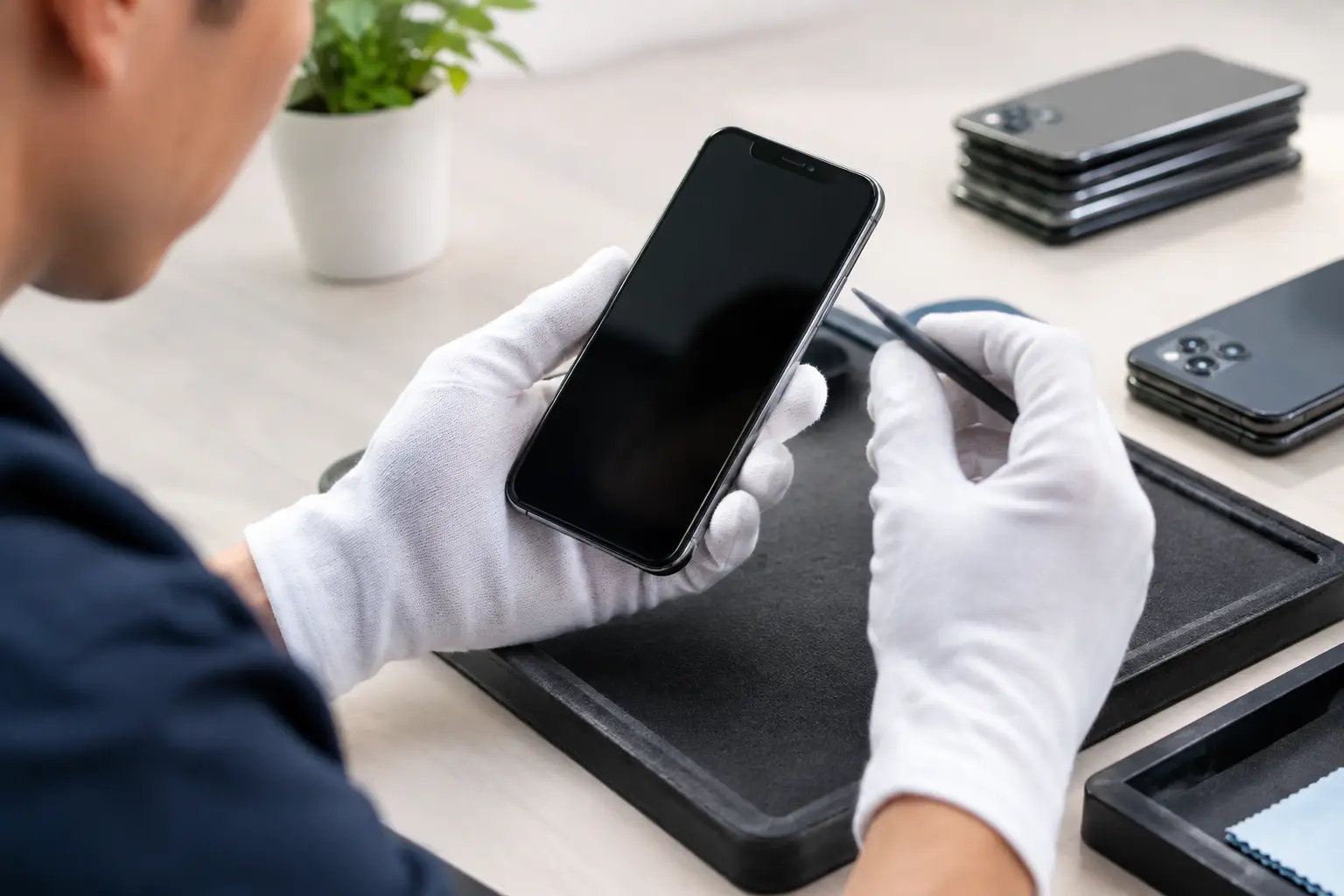
A phone can look perfect on the outside while hiding problems that only show up later. Cosmetic cleaning is not refurbishment. Proper testing should cover the hardware and the device’s status.
Start with the display. Check for dead pixels, burn-in, flickering, poor touch response, and cracks around the edges. On an OLED screen, burn-in may appear as faint outlines from old app icons or navigation buttons. It is easiest to spot on a white or gray background.
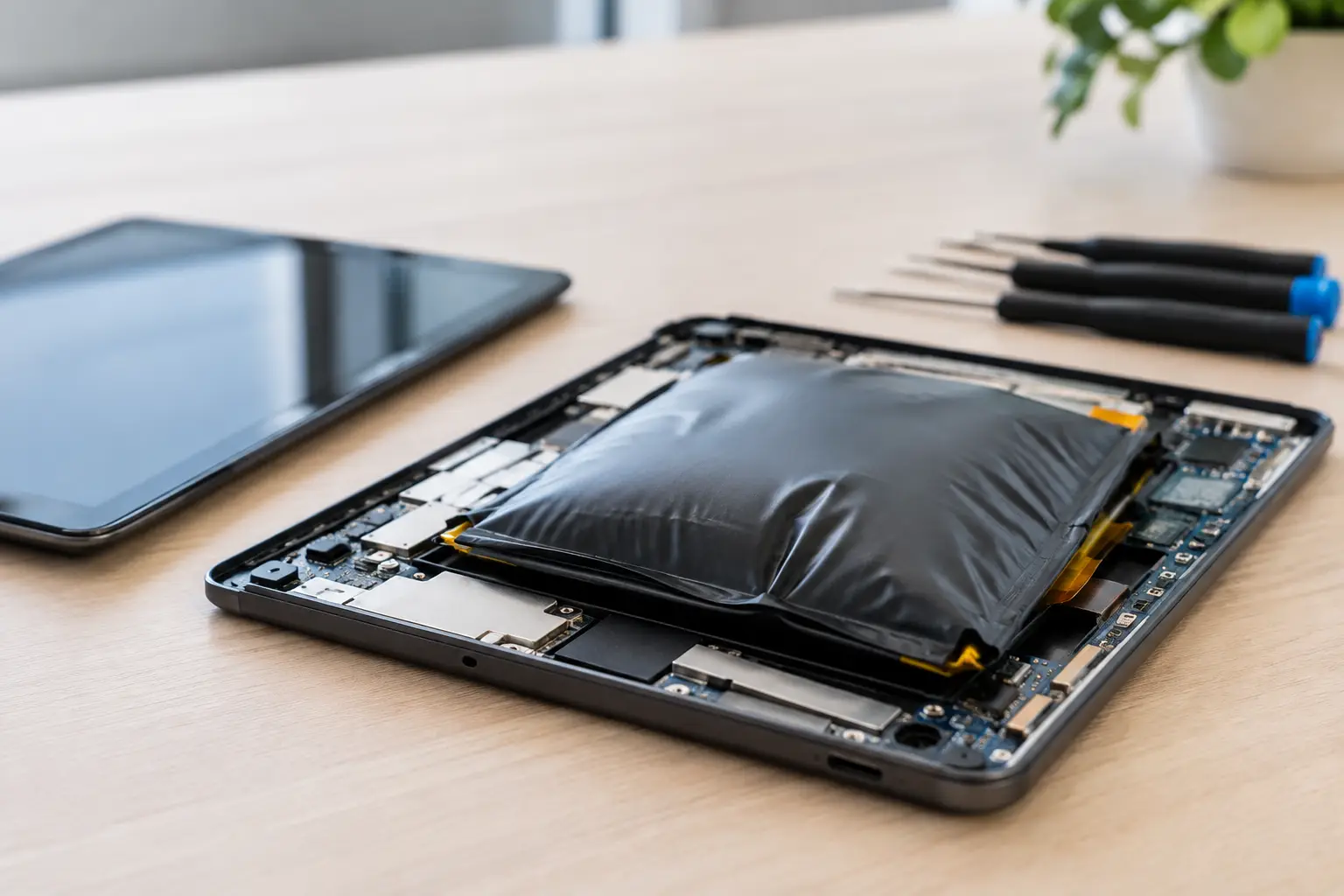
Then test the battery and charging. The phone should charge consistently without cable movement or repeated disconnects. Battery health matters because a worn battery can cause sudden shutdowns, overheating, and poor performance. A phone that loses a large percentage of charge during a short setup process is worth questioning.
Cameras, microphones, speakers, vibration, Wi-Fi, Bluetooth, NFC, GPS, fingerprint sensors, face unlock, and physical buttons should also be checked. These are not minor extras. A camera that will not focus, a microphone that cuts out, or a fingerprint reader that fails can be costly to repair after purchase.
Finally, confirm the phone is not blacklisted, financed, or activation-locked. A clean IMEI is essential. If a device is reported lost or stolen, or still tied to an unpaid account, it can be blocked from cellular networks. A properly prepared phone should also be factory reset and removed from the previous owner’s Google account. If it asks for someone else’s login during setup, do not buy it.
Android Reconditionné Neuf: Questions Worth Asking
Before buying an Android reconditionné neuf, ask direct questions. What condition grade is it? Has the battery been tested or replaced? Are replacement parts genuine, OEM-quality, or aftermarket? Is the IMEI clean? What warranty comes with the device? Can you test it before leaving?
The answers tell you far more than a stock photo and a condition label. “Like new” should not be a vague promise. It should mean the seller can explain the inspection process and stand behind the phone if a covered issue appears.
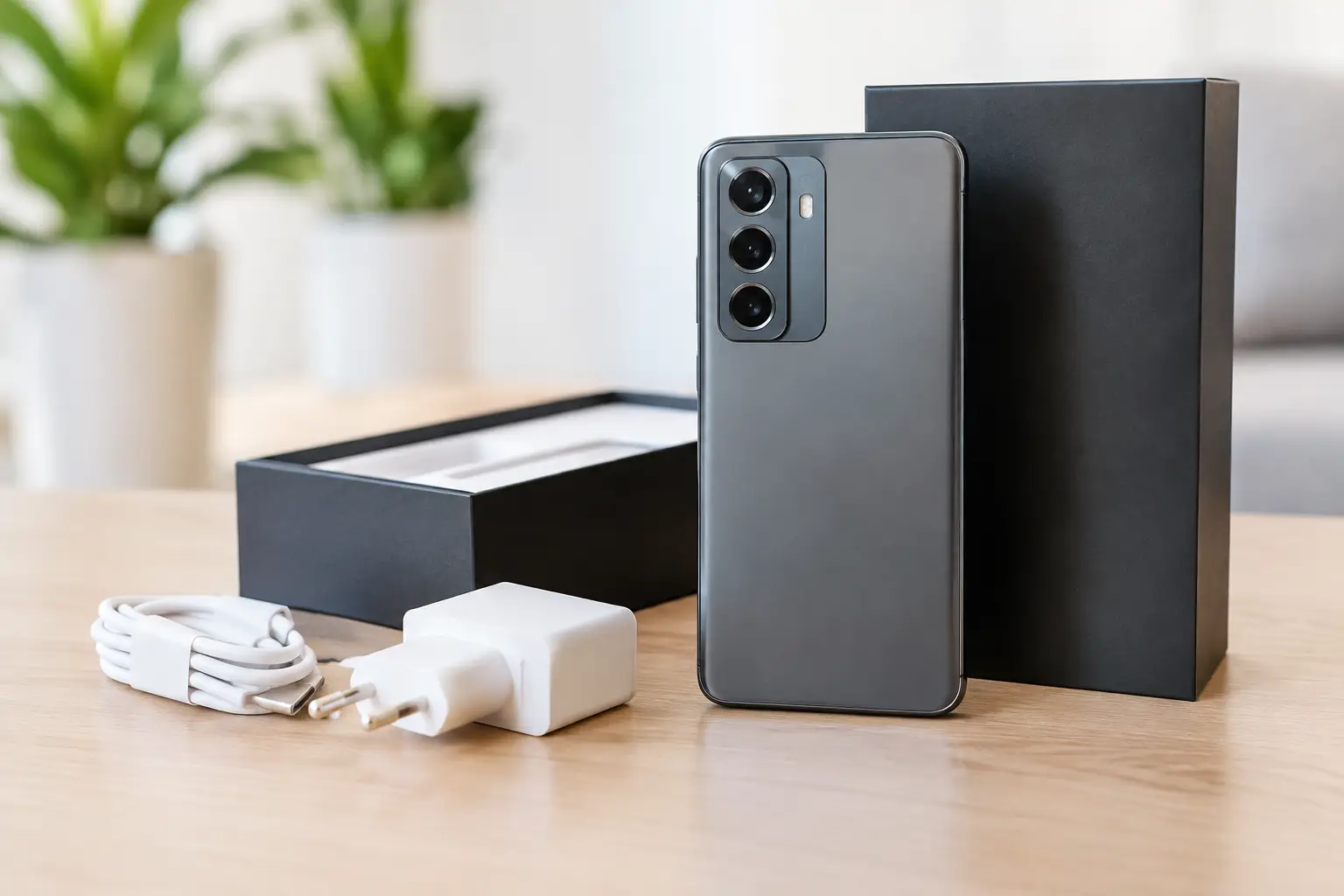
Accessories deserve a quick look too. A charging cable may be included, but that does not mean it is a high-quality cable or that a wall adapter is included. Check the listing or ask at the counter so you are not left with a phone and no way to charge it properly.
Refurbished Store vs. Private Marketplace
Buying privately can sometimes cost less upfront, but it shifts almost all risk to the buyer. You may have no warranty, no confirmed device history, no return option, and no practical way to deal with a hidden issue once money changes hands. Meeting someone in a parking lot does not give you time to run a real diagnostic.
A local repair-and-refurbishment shop has more to lose by selling a problem device. Its technicians can inspect common failure points, verify the IMEI, test key functions, and explain the phone’s condition face to face. If something is wrong, you know where to return.
That local accountability matters most with devices that have had repairs. A screen replacement can be perfectly reliable when installed correctly, but poor-quality work may cause touch issues, weak adhesive, gaps around the frame, or lost water resistance. Board-level problems can be even harder to spot without proper testing. Shops with real diagnostic and micro-soldering experience are better equipped to identify issues that a basic visual inspection will miss.
Pick the Right Android, Not Just the Cheapest One
A good refurbished purchase starts with your actual needs. Storage is a common mistake. A phone with 64GB may be enough for light use, but photos, videos, games, and offline downloads fill it quickly. If you keep a phone for several years, paying a little more for 128GB or more can prevent daily storage warnings later.
Screen size also changes the experience. Larger phones are better for video, gaming, and reading, while smaller models are easier to carry and use one-handed. If your current phone feels too large or too small, do not repeat the same mistake just because a deal looks tempting.
For many buyers, a recent Samsung Galaxy model is a practical choice because parts, accessories, and repair knowledge are widely available. Google Pixel phones can be excellent for clean software and camera performance, but model availability and repair costs vary. The best option is the one with the right condition, storage, battery performance, software support, and warranty for your budget.
Protect Your Purchase After Setup
Once you bring the phone home, install updates, set up a secure screen lock, and add your Google account. Test calls, data, cameras, charging, Bluetooth, and biometrics during the warranty period instead of waiting until the last day. Transfer your data carefully and keep your old device until you know everything important has moved over.
Use a case and screen protector early. They cost far less than a display replacement. If you are replacing a damaged phone, consider whether repairing your current device still makes more financial sense. A battery, screen, charging port, or even certain board-level issues can be repaired for less than replacing the whole device.
At BuyCellFix, the practical standard is straightforward: a refurbished phone should be tested, clean, ready to activate, and backed by people you can speak to in person. Whether you repair the Android you own or choose a technician-tested replacement, buy the option that keeps your day moving – not the one that creates another problem next week.